Stay up to Date
Review the archivesFind Viva Farms in the news and our monthly, bilingual newsletter with updates from Viva Farms and the farming community of the Pacific Northwest. CSA members also receive a newsletter in advance of each box sharing the week’s ingredients and recipe ideas. Learn more about the CSA here.
Newsletter 2026
Click on each image to read the corresponding newsletter.
Student Stories 2025

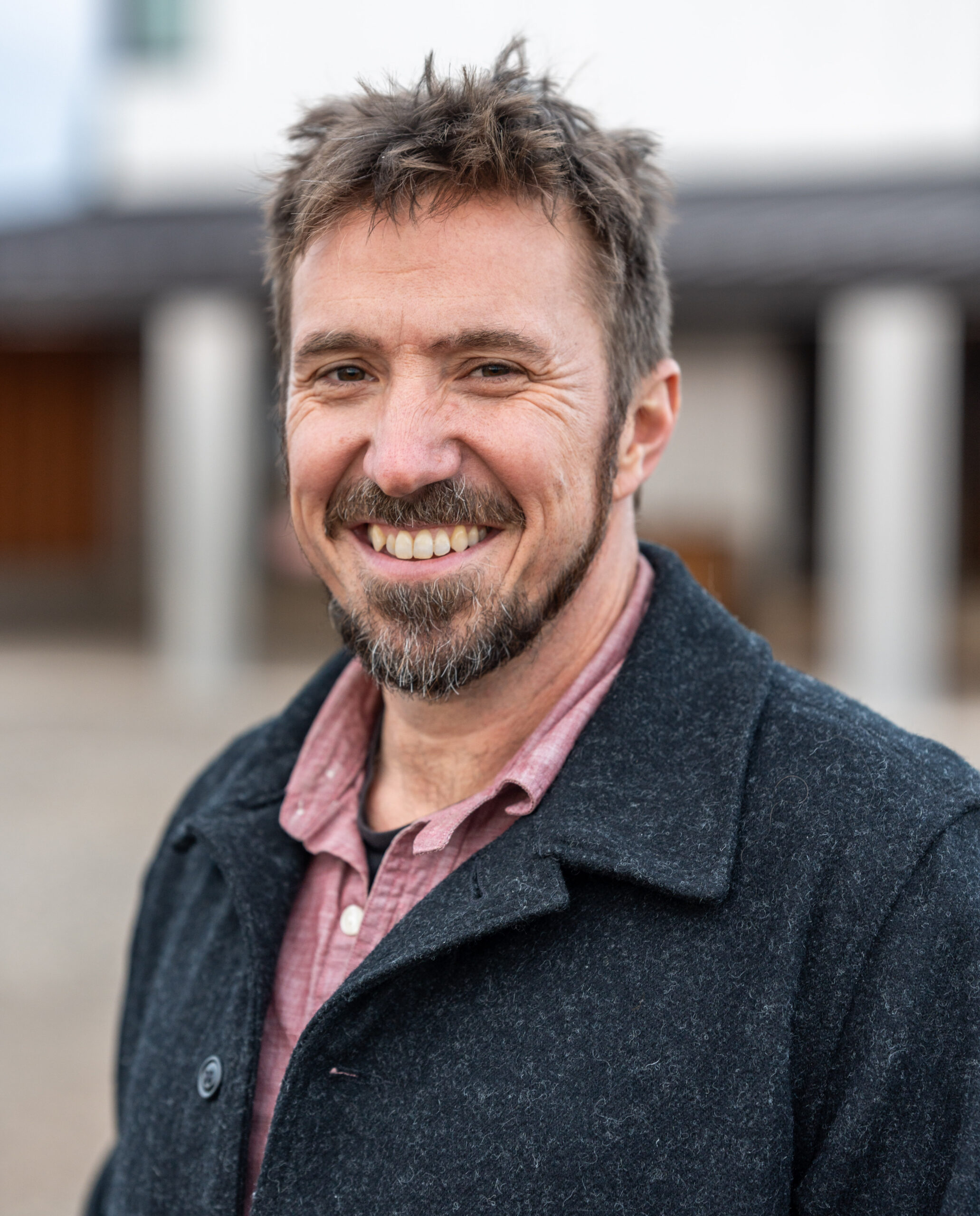
Adela
My name is Maria Adela, and my journey into agriculture is both a return to my roots and a step toward my future. Growing up in Mexico, I watched my parents and grandparents work the land; farming is in my blood. In 2025, I decided to honor that heritage by becoming a student at Viva Farms. My goal is to become a professional farmer, and this program has been essential in helping me bridge the gap between tradition and modern sustainable practices. Having access to the installations and equipment at Viva Farms allowed me to move beyond theory and practice the skills I need to succeed in the field.
In Mexico, I saw the hard work my grandparents put into their crops. At Viva Farms, I am learning the science behind that work—how to manage soil health and use modern tools to make a farm not just a tradition, but a sustainable business
The transition from observing my family in Mexico to practicing at the Viva Farms student plot was a powerful experience. Being in the field allowed me to understand agriculture on a deeper level. I learned how to manage soil health, how to properly use irrigation systems, and the importance of organic pest management.
Each day at the farm was a lesson in patience and precision. Whether I was working in the greenhouse or operating machinery, the hands-on nature of the class gave me the confidence I needed. I realized that farming is not just about planting a seed; it is about understanding the environment and using the right tools to help that seed thrive. Looking back on my studies in 2025, I feel a great sense of pride. By combining the traditional knowledge passed down from my grandparents with the technical skills I learned at Viva Farms, I am ready to start my own path.
My goal is to become a successful farmer who provides healthy food for my community while respecting the earth. Viva Farms has given me the foundation to turn my love for agriculture into a professional reality. I am proud to carry my family’s farming legacy forward here in Washington, building a future that honors my roots in Mexico.

Denali
I have been working on and with farms in a variety of settings over the past few years: from working on a farm crew for a regenerative farm, worktrading on a permaculture farm, and helping to manage a farming operation for the East-African immigrant community in South King County, Wakulima USA, for the past two years. Because most of my on-farm knowledge came from learning on the job in an often fast-paced environment, I felt many gaps in my practical knowledge of farm systems. While I dreamed of taking the leap into starting a farm business one day, the idea felt intimidating and I didn’t know where to begin.
When I found the Viva program, I was immediately drawn to the mix of classroom education and experiential on-farm learning. Each week in class, I learned the technical, scientific, and practical aspects of all things farming; from making a crop plan, to cultivation techniques, to the best harvesting procedures, and everything in between. I was then able to apply what I learned hands-on in the student farm. The instructors were a wealth of knowledge, and encouraged us to engage in a diversity of activities on the farm. Additionally, the business portion of the class was especially helpful. The concepts of financial planning, accounting procedures, business structure, etc. were unfamiliar to me before taking the practicum, but Viva broke them down into relevant and digestible ways that make me feel much more confident to take on the behind-the-scenes work of running a farm business.
I am so grateful to the Viva practicum for preparing me to embark on this next step of my farming journey. I’m also overjoyed to be connected to Viva’s network of farmers, educators, and students. It is a true community dedicated to supporting and uplifting each other, and building more just farming and food systems.

Issy
I joined the Practicum in Sustainable Agriculture hoping to better understand how to care for the soil, build small business management skills, and bask in the joy and abundance of growing food in community.
The hands-on, holistic curriculum helped me connect the dots between past farm experiences while opening up new ways to approach this work. The instructors were generous mentors, sharing their time and knowledge so freely, and honoring the different perspectives within our cohort. It was comforting to learn again and again that there isn’t just one right way to farm. This made it easier to imagine how I might develop my own systems and shape my farming philosophy.
I came away with mentors, friends, resources, and so much practical knowledge that honestly would have taken years to figure out by myself as a first-generation farmer. Since graduating, I’ve stepped into an Assistant Farm Manager role, where I hope to apply what I’ve learned to support my team and grow nutrient-dense food that’s accessible to everyone in our community.
The more you put into the practicum, the more you get out, and no matter how you show up, you are welcomed. I’m really grateful to have been part of it. Thank you, Viva Farms!

Kaeden
Over the last decade or two, my interests in human and environmental health have led me to work in healthcare and in nonprofits supporting farmers. I had very little experience growing much at all myself, and farming sure seemed like a lot of work. Yet, after having some fantastic experiences volunteering on farms and learning about the positive contributions farmers can make to their human and ecological environments, I connected all the dots of my constellation of values. I realized I wanted to chart a new direction for my life growing food for myself and others.
Some farmers I encountered told me about how the Viva practicum and incubator had been instrumental in giving them the confidence and knowledge to farm, so I was persuaded to apply for the practicum. Once in, I discovered that I had dropped into a rich and safe learning environment where I could ask every little question that came to mind. My version of learning paradise! We dug into basic theory in lecture, and then every week got to put that into practice on the farm. In addition to completing the everyday tasks of seeding, field prep, transplanting, maintenance, harvest, and storage, we also learned invaluable strategies for writing a business plan and a crop plan, resources to find land, how to set up irrigation and other infrastructure, and rules for organic certification and food safety, etc. We also had eye-opening visits to other farms and different sales channels, where I found the Q&A and demonstrations of their operations to be inspiring and clarifying.
Going through the practicum was invaluable for me. I was a fairly unclear in my mind, initially, about what I specifically wanted to grow, or how my future farm would look, but by going through the business plan writing process with great feedback and support, I was able to craft and crystallize my own unique farm dream and take in all the practical considerations I would need to make it a reality. I put a lot of intention and time into the Viva program, and I got so much out of it. I cherish my experience and remember my community of students and teachers with warmth and fondness. I can’t wait to take the next step towards my farm dream!

Kirsten
I have worked in or adjacent to agriculture for over a decade, with small farms and in urban and school gardens. I am also a certified master gardener, and previously worked in outreach for a regional farmer training program. At every turn of my life, since my early 20’s, I have put myself in the way of learning and experiencing different aspects of farming. All this considered, it might surprise some to learn how many foundational holes I found myself facing when I struck out to establish my own farm.
When training employees, quite often the reality is farmers/small business owners either don’t have time to deeply elaborate on every practice within their production, or lack the desire to. They tell you how to prune it, seed it, transplant it, harvest it, wash it, pack it — and you’re off and running.
In my experience, farm managers also look to capitalize on what you are good at, and keep you focused on those tasks. As an example, I’ve got a keen eye for quality. I pack a mean CSA box, and I genuinely enjoy face-to-face time with customers, so wash-pack and the market circuit made sense for me. Except, I wanted to learn everything, and even within the areas I was focused on, there was little time for asking “why?”, much less getting an answer. To own your own farm, whether you are generous with the information or not, you need to know the why of everything. I believe this to be, on one hand, a recently heightened conundrum in farming related to the stark decline of the family farm, and on the other, a continued commitment to an age-old metaphoric line in the soil which kept the farmer on one side, and the farm worker on the other, essentially cut off
from crossing over by a lack of knowledge, as much as a lack of inheritance. Once upon another generation, the details of production were passed down within families; “the farmer” was raised with an intimate proximity to the work, and an inheritance to it. Their education was built into their childhood. Whether by circumstance, or design, continuing this incomplete transfer of knowledge in
today’s ag climate will actively contribute to the collapse of our regional and local food systems as we know them — unless, a crop of new, more accessible sources for preparing the next generation
of farmers were to emerge from the ashes of the old system.
Opinion: Viva Farms is every bit the phoenix we have needed.
The eight months I spent participating in their Practicum in Sustainable Agriculture not only gave me ample opportunity to ask all the questions I have collected over the last decade, both in the field and in the classroom, it also outfitted me with strong community and access to essential resources in perpetuity. The structure of this program, geared towards working people, and offering full scholarships, made my attendance possible. From irrigation to propagation, book-keeping to marketing, our class was invited to the subject table with open arms week after week. No gate keeping, and all within a gorgeous culture of curiosity, excitement, and gumption, constantly exemplified by Viva staff. I often found myself looking around the classroom or across the field and thinking, “If only I’d had access to this 10 years ago.” And feeling intense joy for classmates at the beginning of their journey with farming, starting out under such ideal germination conditions. It’s the kind of introduction to agriculture that makes you want to stay, makes you believe you’ve got a fighting chance. Viva cannot quench the thirst of the hottest days of summer, or disappear the stress of keeping your Organic or GAP certification documents in order, but they can, and do, make you feel like you’re not alone in any of it. To be stuck in the literal or metaphorical mud and know exactly who to call to help spring you free, is the greatest gift a farmer could ask for in their career. With opportunities to incubate on Viva’s land after graduating from the Practicum, staff support navigating funding paths and business development, continued access to specialty seminars and workshops (all bilingual, I must add!) and more, Viva Farms goes above and beyond remedying the educational gap. They are carving a whole new pathway from dream to sustainable reality for aspiring farmers, and I couldn’t be more grateful to now be on that path with them.
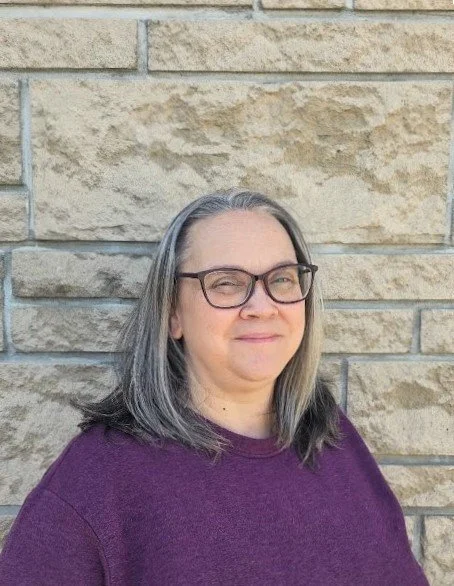
LeAnn & Skagit Gleaners
I first visited Viva Farms through my job as the Gleaning Coordinator at Skagit Gleaners, as they have been community partners with us for years. We harvested from the Practicum field, and met other farmers and gleaned from them as well.
When I learned about the Practicum, it sounded like a wonderful opportunity to learn more about farming. I love to learn new things so I went for it. Prior to the Practicum, I had some, but minimal, experience with gardening and growing food. I worked with a group of friends in a raised bed garden with 12 beds, where we grow lots of food for our families. I grew up in Eastern Washington, and my first job was sorting cherries. I’ve been around agriculture for most of my life, and I love being out in nature.
The Practicum was an amazing experience. I think that the combination of lecture or classroom time, and practical hands-on learning was perfect. It was also wonderful to see the entire season, from start to finish. We started with a field full of cover crop, and ended with planting garlic for the next season. We learned how to start and manage seeds then how to plant them. We also learned about irrigation set up and planning, weeding implements and business management.
I enjoyed learning about all my classmates, what led them to the Practicum, and the different life experiences that we all bring to the table”. One of my favorite parts of the practicum was the tours we had of various farms and community organizations. It was inspiring to see very successful Viva Farms incubator farms, some who have moved off site and the Puget Sound Food Hub, which is another great organization. It is encouraging to see how these local farms and organizations work together to produce and sell food. The Skagit Valley is an amazingly beautiful place, and I loved learning more about farming and the surrounding organizations that make this area so wonderful.
Completing the practicum has equipped me to oversee our hand harvesting program as well as our two Skagit Gleaners Market Garden sites. The hands-on training has proved invaluable as Gleaners has expanded the amount of space we have to utilize. I am better equipped to plan out our crops and execute that plan. I also appreciate that the Viva Farms staff is available to be a continuing resource. I love the collaboration that we have.
Skagit Gleaners is a non-profit food recovery program providing reclaimed local produce, non-perishable goods and more to our members located in Burlington, WA. Their gleaning coordinator, LeAnn, took the Viva Farms’ Practicum in Sustainable Agriculture course last year. To learn more about gleaning in Western WA, visit the Washington Gleaning Network.
Media

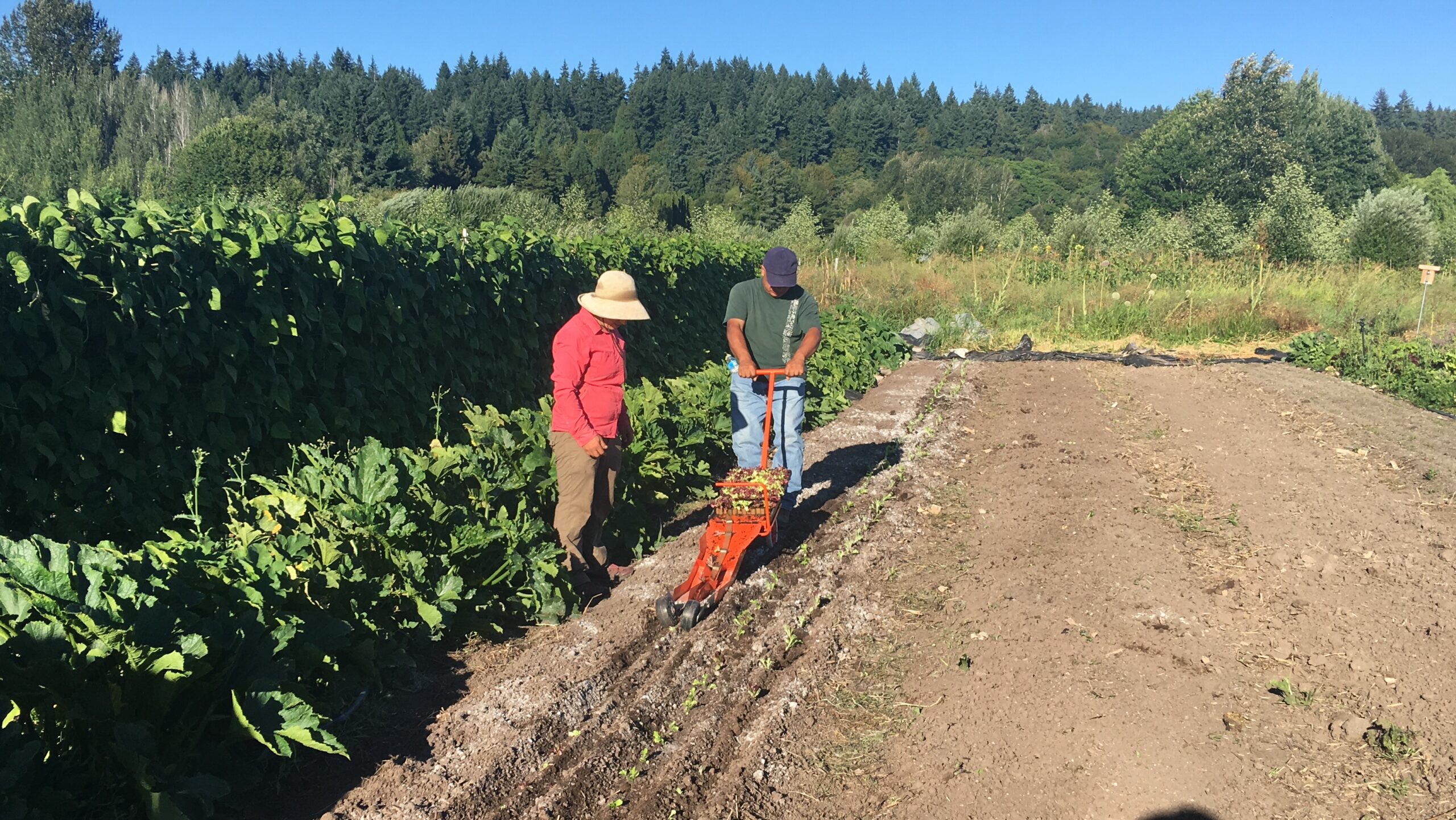
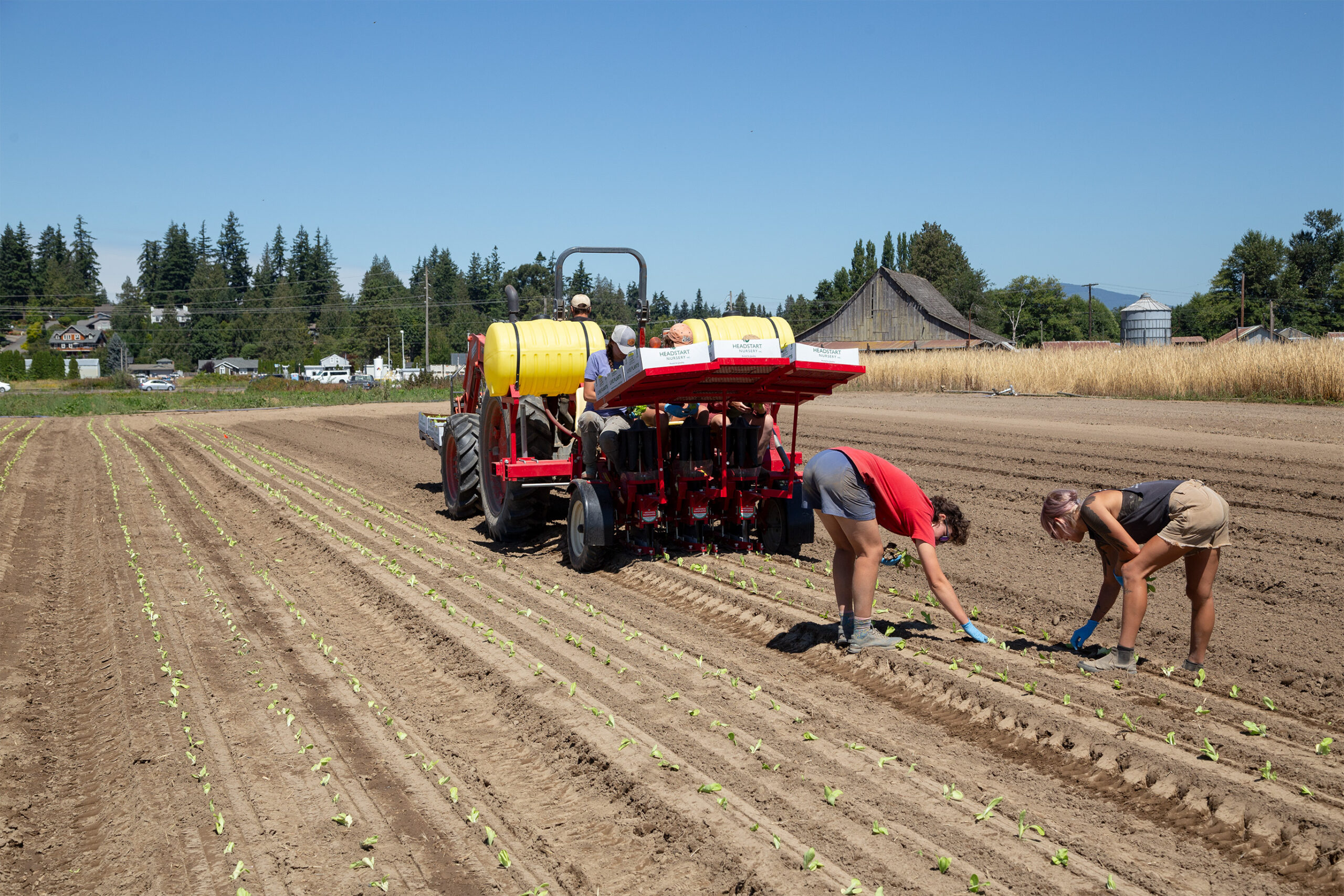
Viva Farms Purchases 52 acres in King County
Press Release
July 2026
Land Access Grant Terminated
Press Release
April 2026
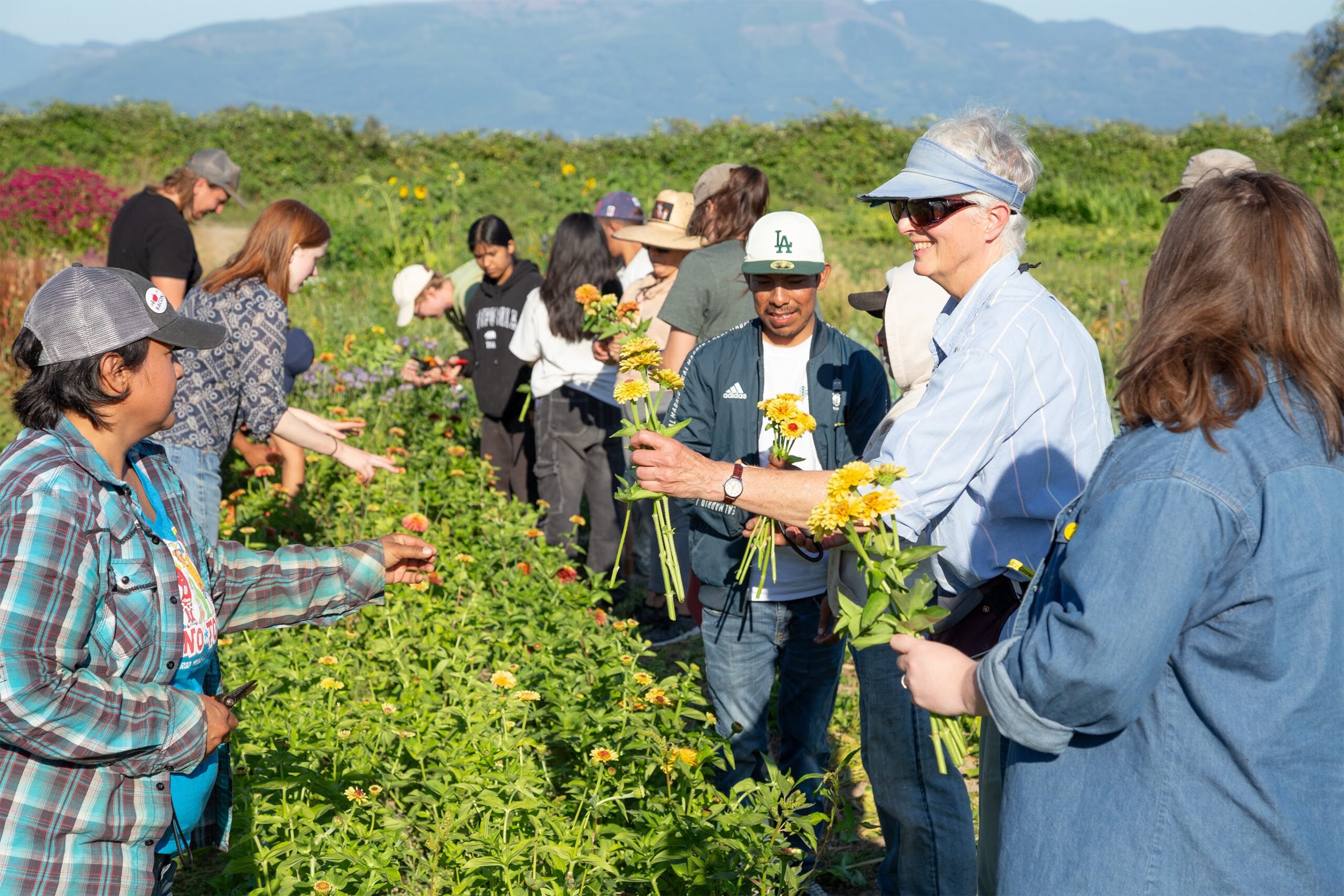
Latino-owned Skagit farms get a boost from food-purchasing program
Cascadia Daily News
February 2026


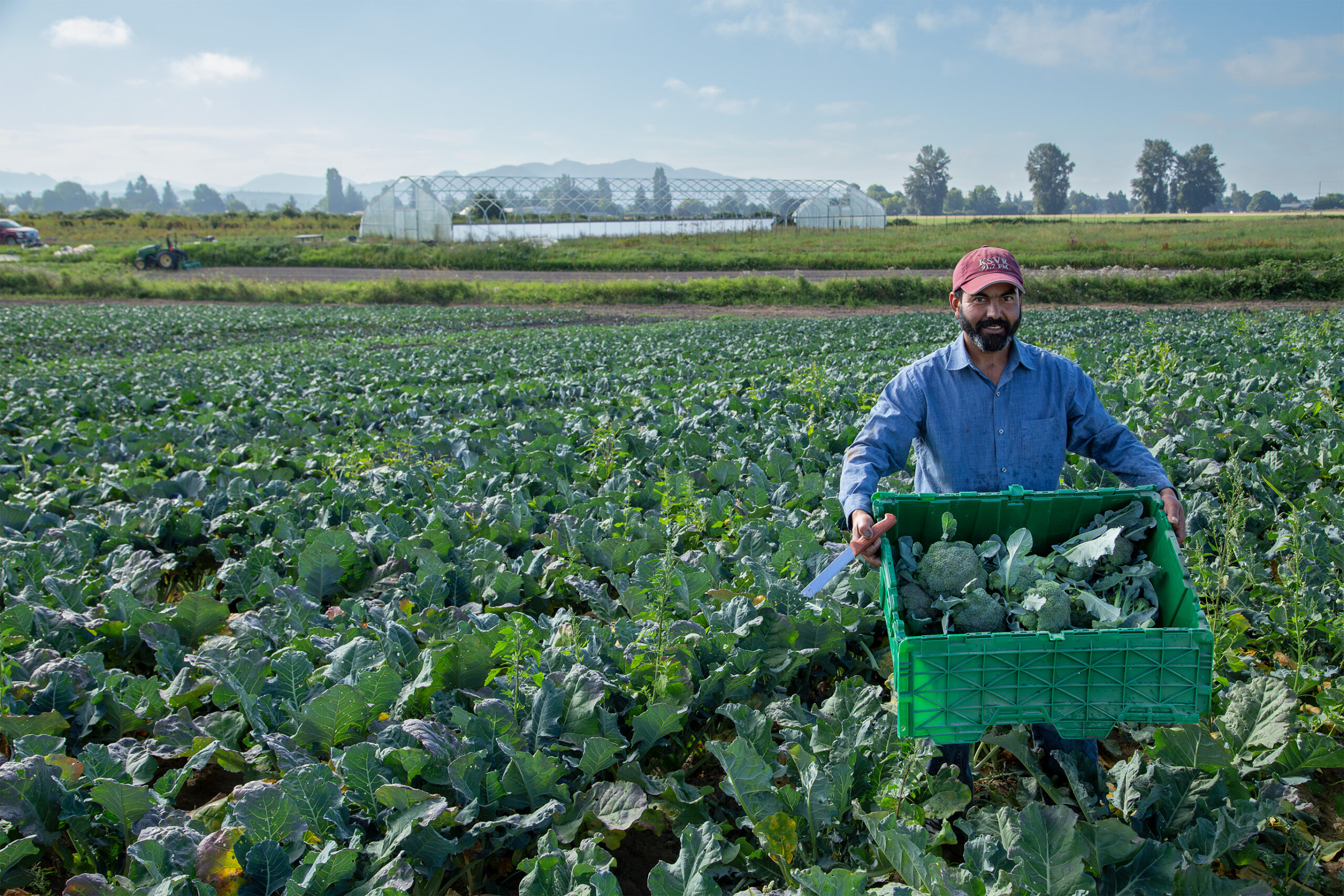
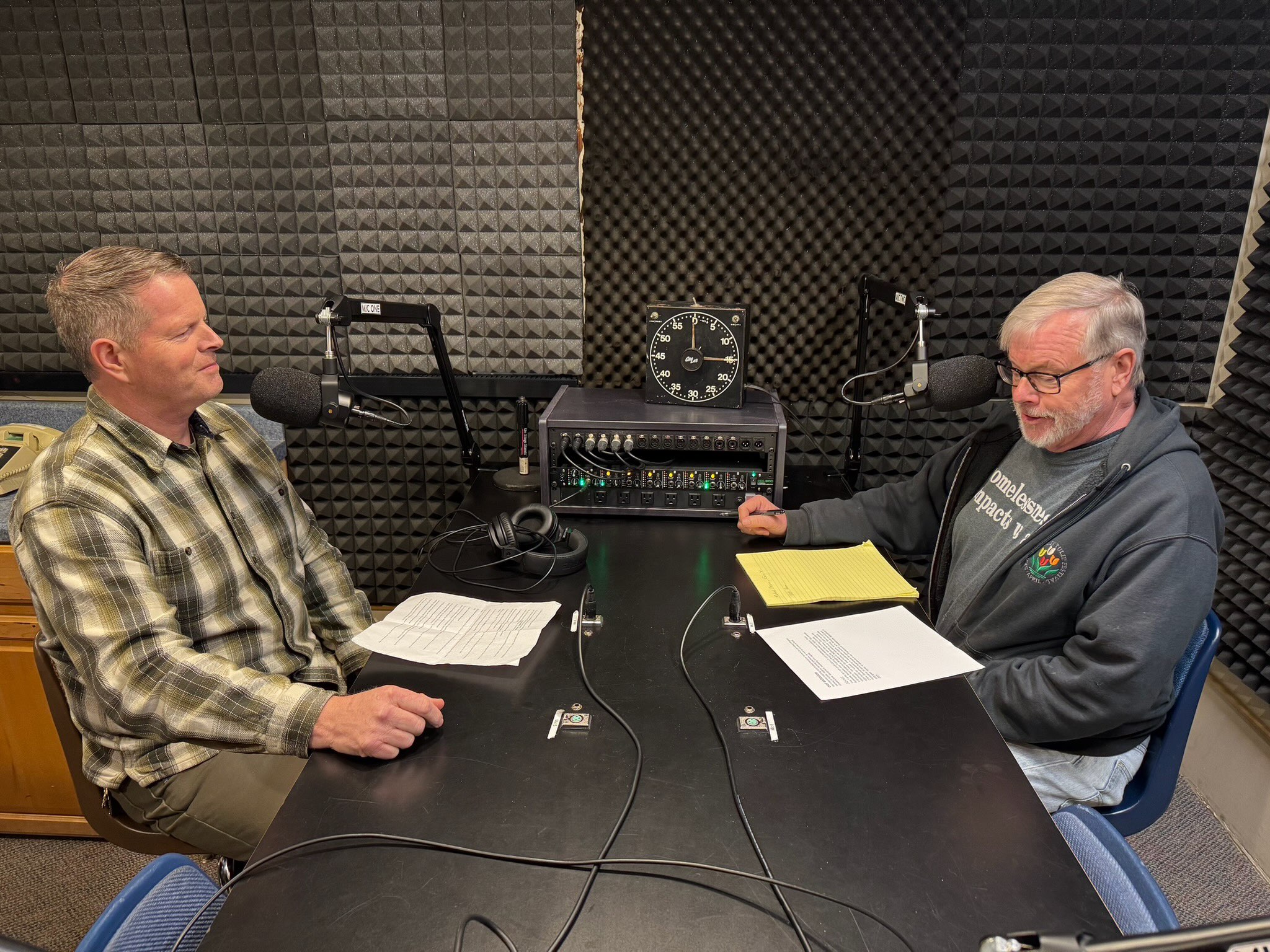
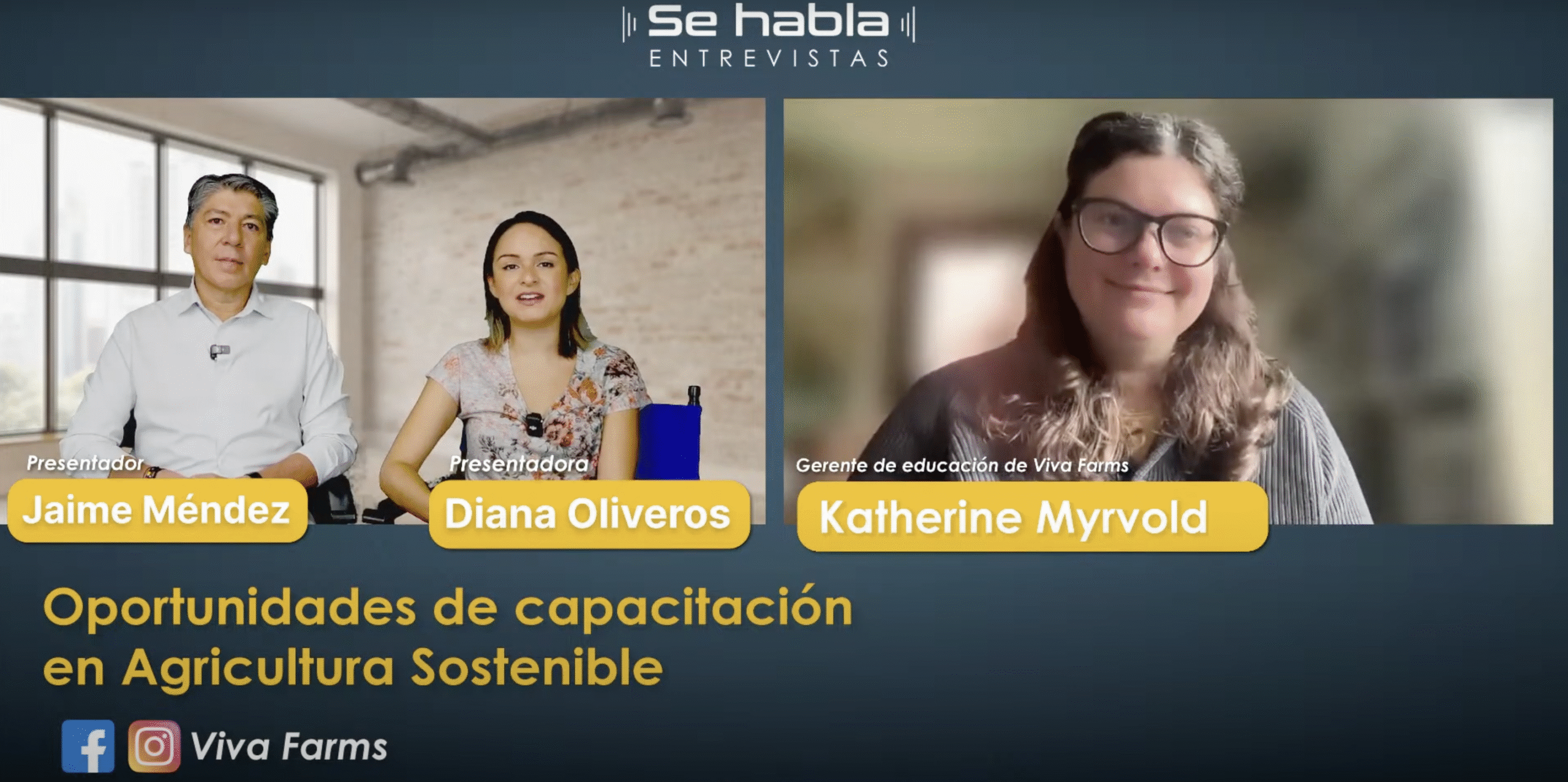
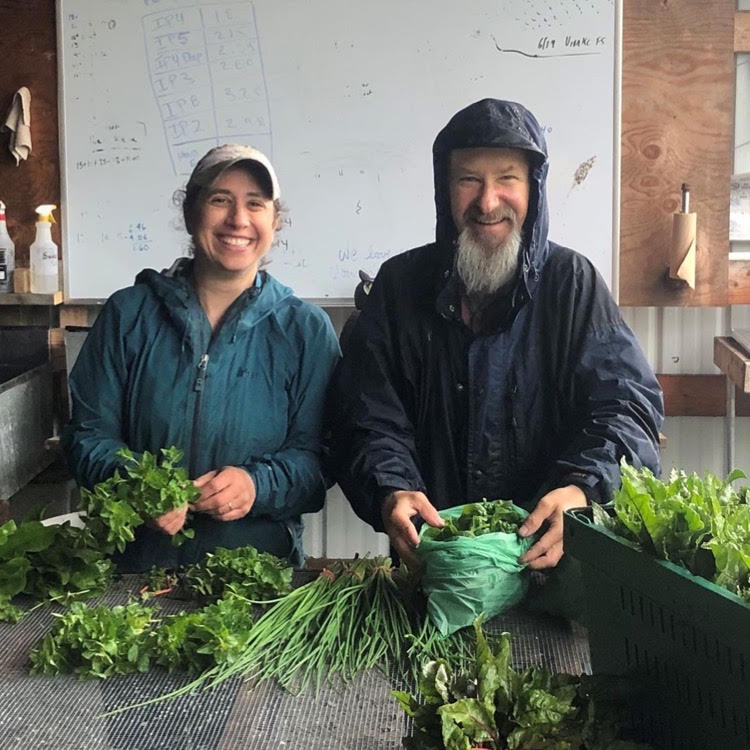
Viva Farms Incubator Songbird Haven Farm launches to Thurston County
Press Release
April 2025
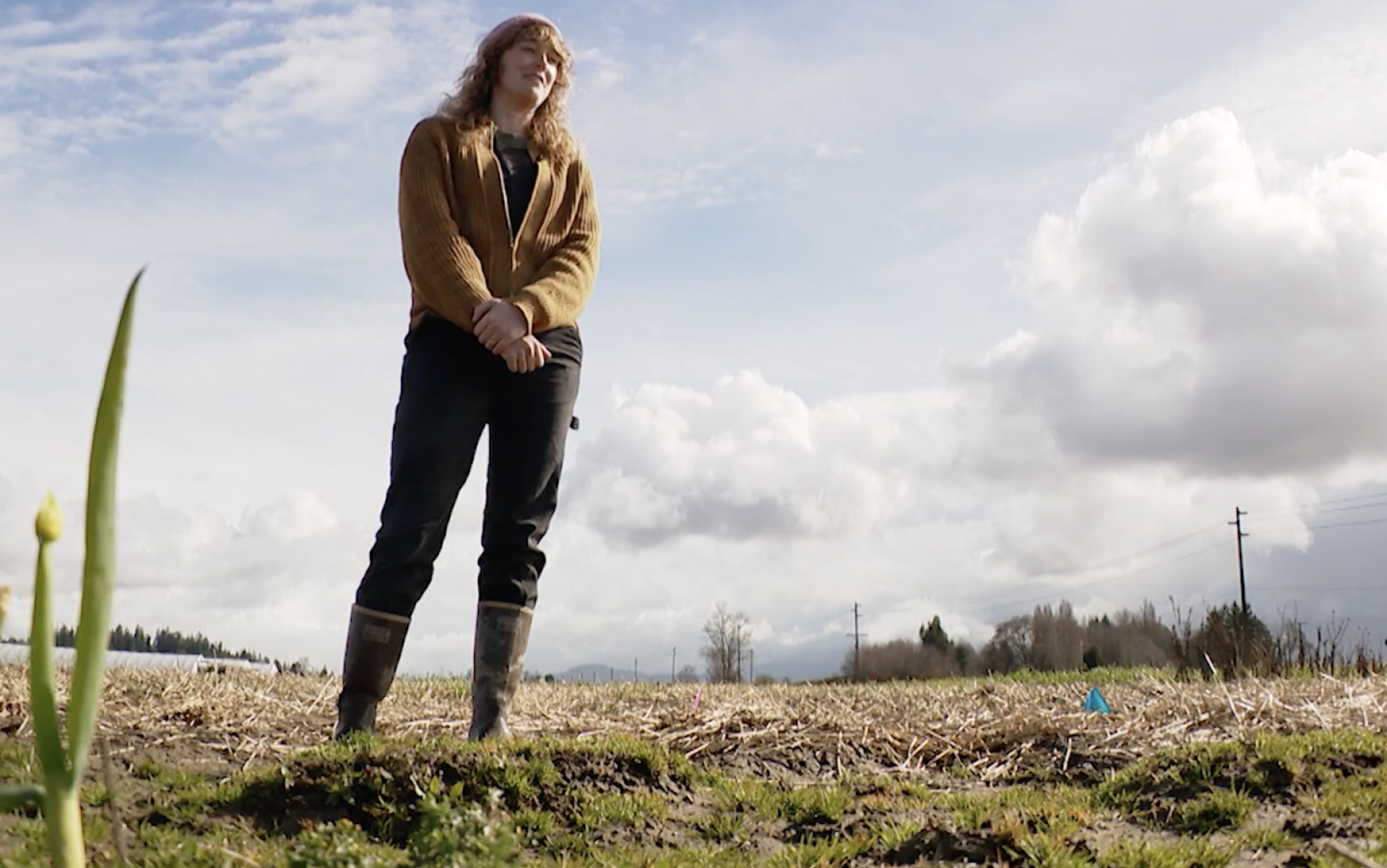
Sen. Murray highlights Skagit’s Viva Farms as she shares impacts of federal funding freeze, layoffs
Cascadia Daily News
March 2025
Newsletter 2025
Click on each image to read the corresponding newsletter.

Support for 2026 – and applications now open!
December 2025

Letter from our Executive Director – We are still here!
November 2025


From Farmers to Soil Health Managers
September 2025

Growing Organic
August 2025


You are invited!
June 2025
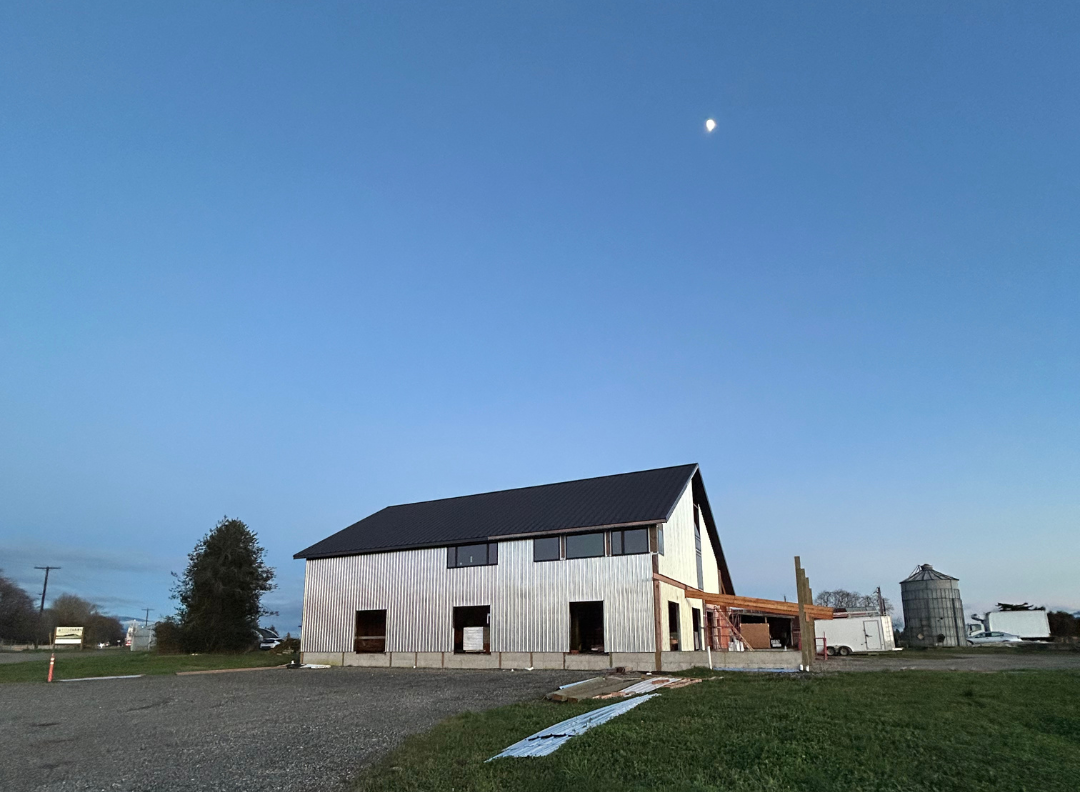
Sweet Potatoes and a Barn Update
April 2025
Letter from our Executive Director
March 2025